

By Meg Reynolds,
Published On 03/05/2026
People tell me all the time that they don’t know how to meditate.
And then, almost immediately, they say something like:
“Well… my meditation is riding my bike.”
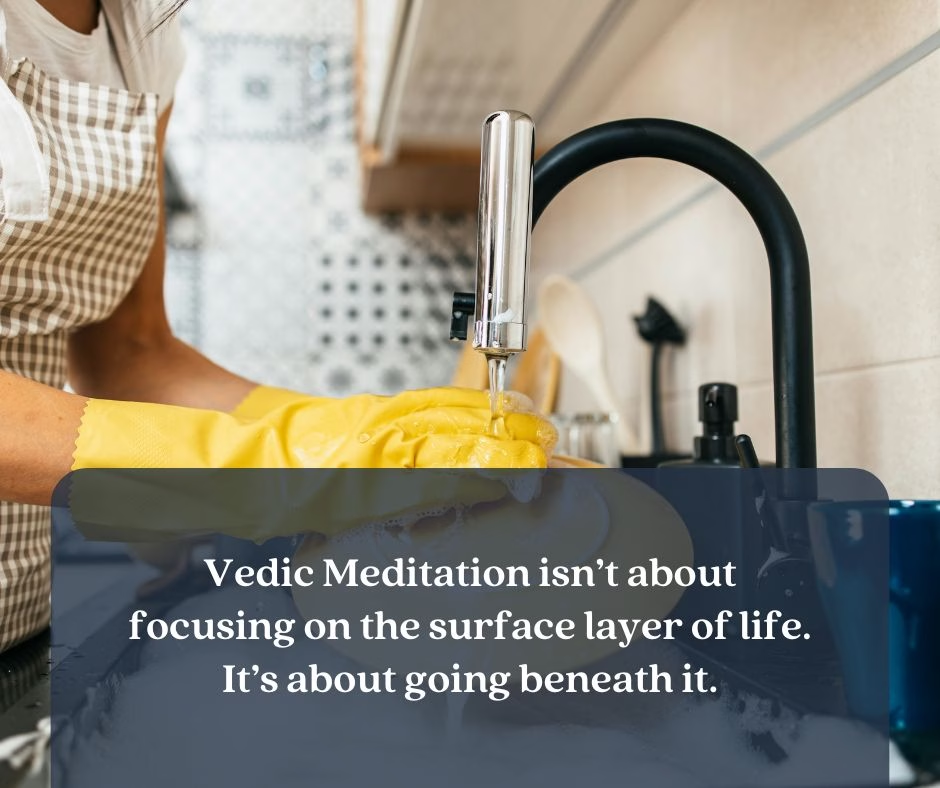
“Mine is washing the dishes.”
“I meditate when I sit quietly and try to be still for a while.”
“Hiking is my meditation.”
And honestly?
I love that.
Those things are deeply regulating. They’re beautiful. They bring presence. They help us come out of mental frenzy and into the moment.
That’s mindfulness.
Mindfulness is attention on something:
- the breath
- the body
- the dishes
- the trail
- the sound of birds
And I’m a huge fan.
I find being in nature incredibly meditative. Walking among trees restores something ancient in me.
But…
it’s still not quite the same thing.
Mindfulness vs. Vedic Meditation
Vedic Meditation isn’t about focusing on the surface layer of life.
It’s about going beneath it.
In Vedic Meditation, you’re not concentrating, controlling, or trying to empty the mind.
You use a simple mental technique that allows the mind to settle inward—beyond thought, beyond effort, beyond the relative noise of daily life.
It’s often described as transcending:
moving from the active thinking mind into a deeper, quieter state of awareness.
A place where you are:
- alert, but deeply restful
- awake, but unburdened
- you… minus all the thoughts
It’s like leaving the waves on the surface of the ocean and sinking into the stillness underneath.
The thoughts may still exist somewhere above…
But you’re resting in the core of yourself.
If you’re curious about how the technique itself works, you can read How to Meditate (The Simple Way).
Both Are Valuable — They’re Just Not Identical
Mindfulness helps you meet the present moment.
Vedic Meditation helps you go beyond the mind’s activity altogether—into profound inner rest.
Both are nourishing.
But Vedic Meditation offers something uniquely cellular:
a deep dive into stillness that allows stress to unwind at the level of the nervous system.
If you’d like a deeper look at how that supports stress physiology, you may also enjoy Vedic Meditation and Emotional Resilience.
So yes—keep washing the dishes mindfully.
Keep walking in the woods.
Keep riding the bike with the wind in your face.
And if you ever feel curious about going beyond the surface layer…
There is a kind of rest waiting for you.
The kind that feels like coming home.
Quick Recap: Your Questions Answered
Sometimes you just want the heart of it—here are the key takeaways and common questions people ask.
Washing dishes mindfully is a form of mindfulness. It brings attention to the present moment, which is beneficial—but it differs from Vedic Meditation.
Mindfulness focuses attention on something specific. Vedic Meditation uses a simple mental technique to allow the mind to transcend thought and enter deep, effortless rest.
No. Vedic Meditation does not require concentration or controlling thoughts. The mind naturally settles inward.
Vedic Meditation allows the nervous system to release accumulated stress at a deeper physiological level than surface attention practices.
Absolutely. Mindfulness and Vedic Meditation complement each other and can both support clarity and resilience.
P.S. Don't LET YOUR FRIENDS MISS OUT. Share this article:

Start Your Journey
Receive Expert Guidance on Meditation and Igniting Happiness
"*" indicates required fields
By submitting your information, you consent to subscribe to Meg Reynolds email list. See Privacy Policy.